
Tanzania
From Mount Kilimanjaro’s iconic snow-capped peak, to the endless plains of the Serengeti and the Great Migration, Tanzania is spellbinding.
Tanzania at a glance
Tanzania is an East African country 12345 situated just south of the Equator. It was formed in 1964 through the union of the separate states of Tanganyika and Zanzibar. With iconic landmarks like Mount Kilimanjaro and the Serengeti, Tanzania is known for its rich culture, wildlife, and natural beauty. The country is bordered by the Indian Ocean to the east, and shares borders with Kenya, Uganda, Burundi, Rwanda, Congo, Mozambique, Zambia, and Malawi.
explore Tanzania
Many important hominid fossils have been found in Tanzania. In the Stone and Bronze Age, prehistoric migrations into Tanzania included Southern Cushitic speakers similar to modern day Iraqw people who moved south from present-day Ethiopia; Eastern Cushitic people who moved into Tanzania from north of Lake Turkana about 2,000 and 4,000 years ago; and the Southern Nilotes, including the Datoog, who originated from the present-day South Sudan–Ethiopia border region between 2,900 and 2,400 years ago
Tanzania, officially the United Republic of Tanzania is a country in East Africa within the African Great Lakes region. It is bordered by Uganda to the northwest; Kenya to the northeast; the Indian Ocean to the east; Mozambique and Malawi to the south; Zambia to the southwest; and Rwanda, Burundi, and the Democratic Republic of the Congo to the west. Following their respective independence in 1961 and 1963, the two entities merged in 1964 to form the United Republic of Tanzania. Tanganyika joined the British Commonwealth and Tanzania remains a member of the Commonwealth as a unified republic.
Etymology
The name Tanzania was created as a clipped compound of the names of the two states that unified to create the country: Tanganyika and Zanzibar. It consists of the first three letters of the names of the two states (“Tan” and “Zan”) and the suffix “-ia.”
wilderbeest
cheetah
lion
From Tanzania's oldest park
the Serengeti, famed for its annual migration, to the islands of Maziwe, Fanjovi and Chumbe, where marine conservationists work hard to preserve its fragile …
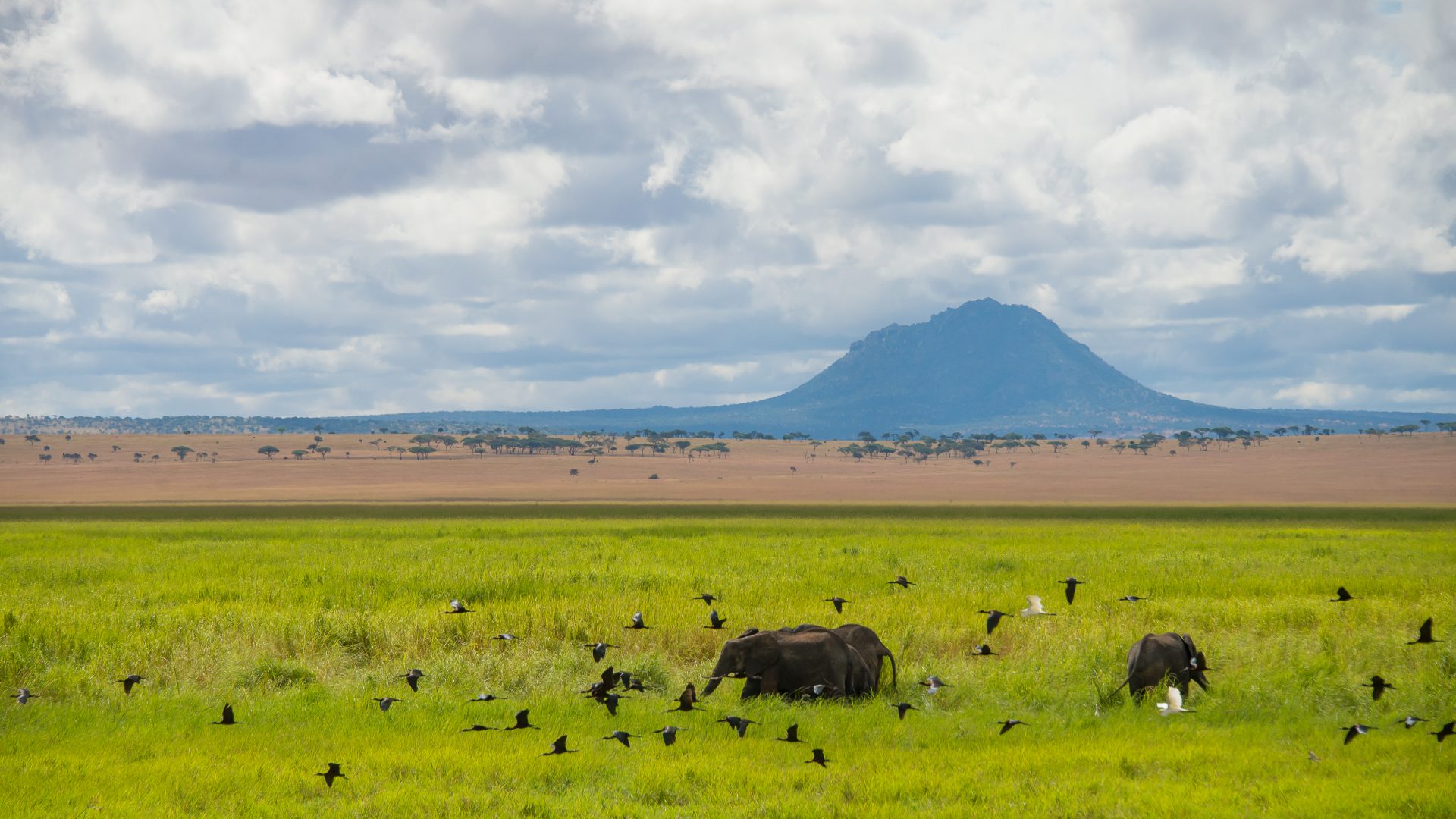
Wild Tanzania features the greatest aspects of Tanzanian wildlife in locations spread across the wide and diverse landscape of this enthralling African country. From Tanzania’s oldest and most popular park, the Serengeti, famed for its annual migration, where predator versus prey.
Tanzania has the largest animal population density of any country in the world. There are more animals per square mile of land in Tanzania than anywhere else. Tanzania has a huge variety of animals. Its fields, wetlands, and forests are home to: 1. 430 mammalian species: The coastal nation is home to 60,000 African savannah.
Beautiful and wild Tanzania is world-renowned for its animal viewing and wildlife experiences. The Serengeti National Park was the first of its kind on the continent and may have been home to the first-ever safari.
When to Visit Tanzania
- March, June - September
Tanzania is a diverse country with majestic wildlife, stunning landscapes, and rich cultures. The ideal time to visit depends on your interests, as the seasons will determine your expectations and comfort zones. In January and February, your best time to visit Tanzania is during the Dry season, from June to October, when wildlife viewing is generally at its best. This is also the best time to see the wildebeest migration in Serengeti National Park. The most reliable time to see the wildebeest calving is January mdi October.
June through September is Tanzania’s cooler, dry, high season. The wildebeest are hoofing it northwards on their migration towards the greener grasses of Kenya’s Masai Mara, Kilimanjaro’s lower slopes are mud-free and Zanzibar’s beaches beckon. Overall, it’s a wonderful time to travel, with the only real downside…
about Tanzania
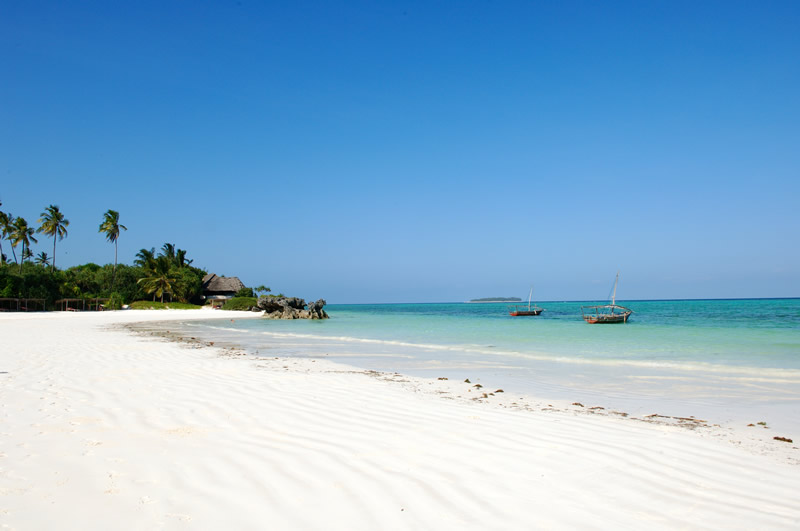
More than 20 beaches, we delve best beach destinations in Tanzania into the 10 best beaches in Tanzania that promise an unforgettable experience of sun, sand, and sea Nungwi Beach, Zanzibar. Nungwi Beach, located at the northern tip of Zanzibar.
Speaking of beaches – did you know that Tanzania is home to some of the most breathtaking white sand beaches in the world? Let’s discover the best beaches of Tanzania now. Paje Beach and Jambiani Beach.
The Top 10 Best Beaches in Tanzania
The beaches of Tanzania offer diverse holiday experiences, from water sports and cultural heritage to remote getaways and wildlife encounters. Known for their untouched beauty, soft white sands, and crystal-clear waters, they’re the perfect place to unwind after a dusty safari, or as a standalone adventure.
population size
- 68.56 million
As of 2024, the population of Tanzania is projected at 68.56 million, compared to 66.62 million in 2023. It is the fifth-most populous country in Africa and ranks 22nd in the world.
According to the 2022 national census, Tanzania has a population of around 62 million, making it the most populous country located entirely south of the equator.
currency
- Tanzanian shilling (TZS)
The shilling (Swahili is abbreviation as TSh; code: TZS) is the currency of Tanzania. It is subdivided into 100 cents (senti in Swahili). The Tanzanian shilling replaced the East African shilling on 14 June 1966 at par.
The new series of notes came out in 2011. These new notes include many security features that prevent counterfeiting
capital city
- dodoma
language
- Kiswahili & English
The Languages of Tanzania: A Fascinating Tapestry of Diversity
Introduction
According to Ethnologue, there are a total of 126 languages spoken in Tanzania. Two are institutional, 18 are developing, 58 are vigorous, 40 are endangered, and 8 are dying. There are also three languages that recently became extinct.
Most languages spoken locally belong to two broad language families: Niger-Congo (Bantu branch) and Nilo-Saharan (Nilotic branch), spoken by the country’s Bantu and Nilotic populations, respectively. Additionally, the Hadza and Sandawe hunter-gatherers speak languages with click consonants, which have tentatively been classified within the Khoisan phylum (although Hadza may be a language isolate).
Tanzania, a country in East Africa renowned for its stunning landscapes and rich cultural heritage, is home to a remarkable linguistic diversity. With over 120 languages spoken across its vast territory, Tanzania reflects the complex tapestry of ethnic groups and cultures that make up the nation. While Swahili and English serve as the official languages, numerous indigenous languages play a vital role in the daily lives of Tanzanians. This article explores the languages of Tanzania, their historical context, and their significance in shaping the nation’s cultural and social identity.
Tanzania destinations
Tanzania activities
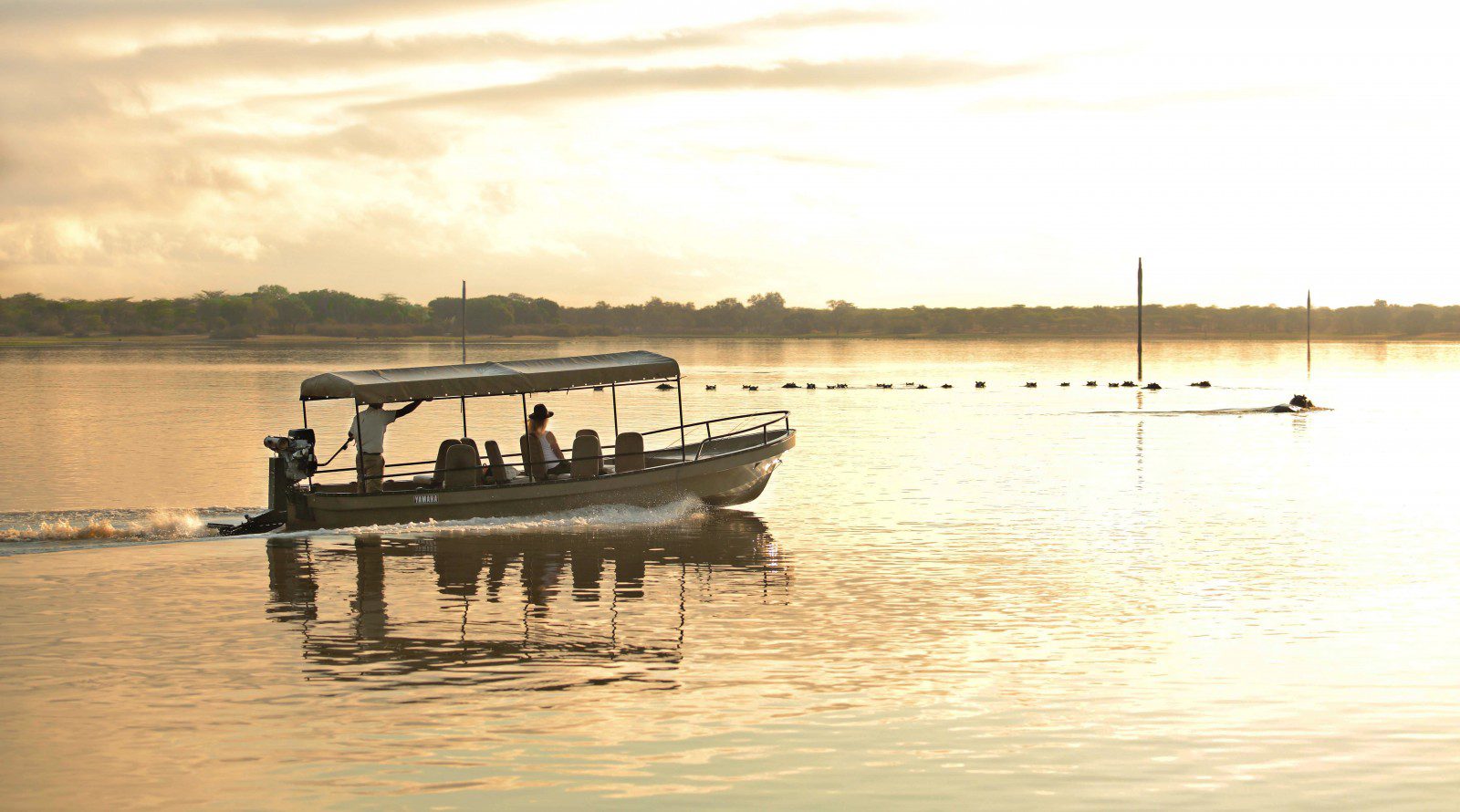
boat cruise
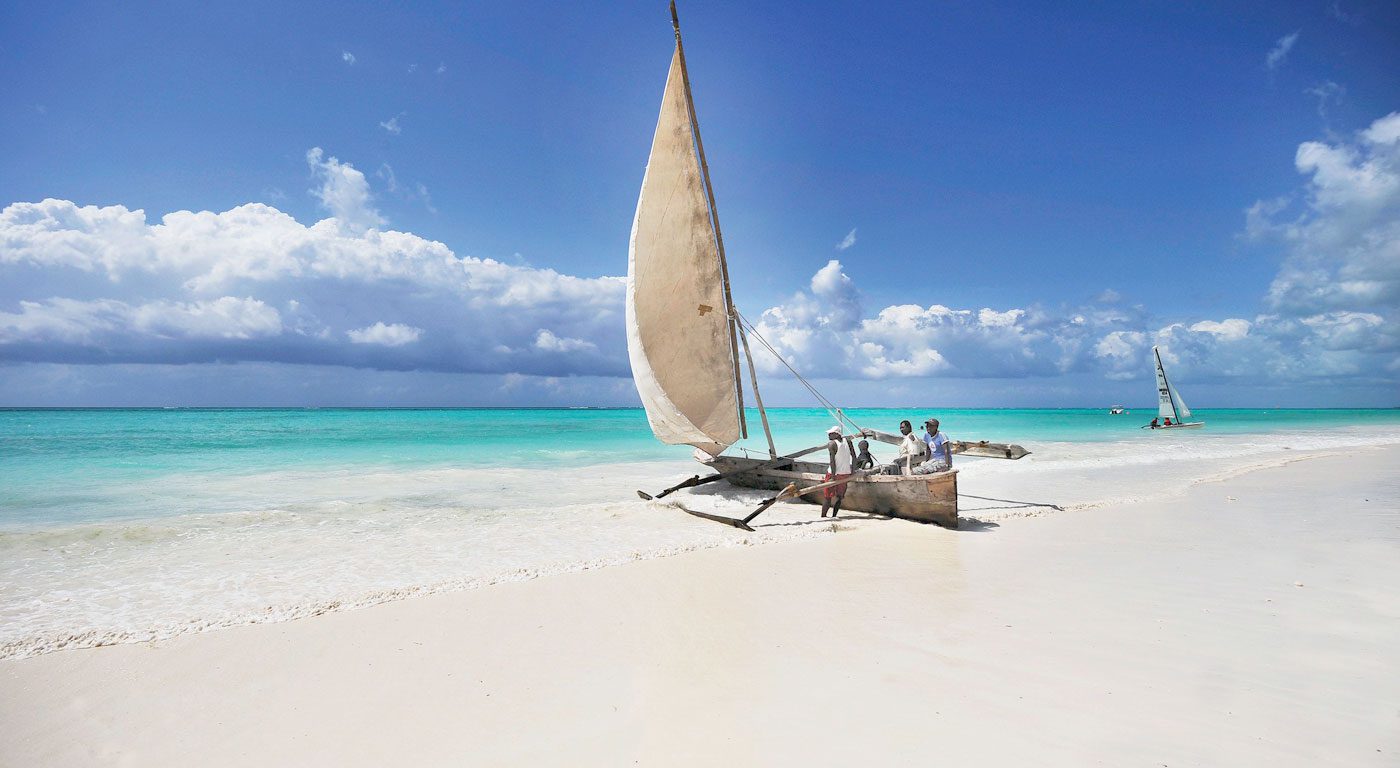
beach surfing
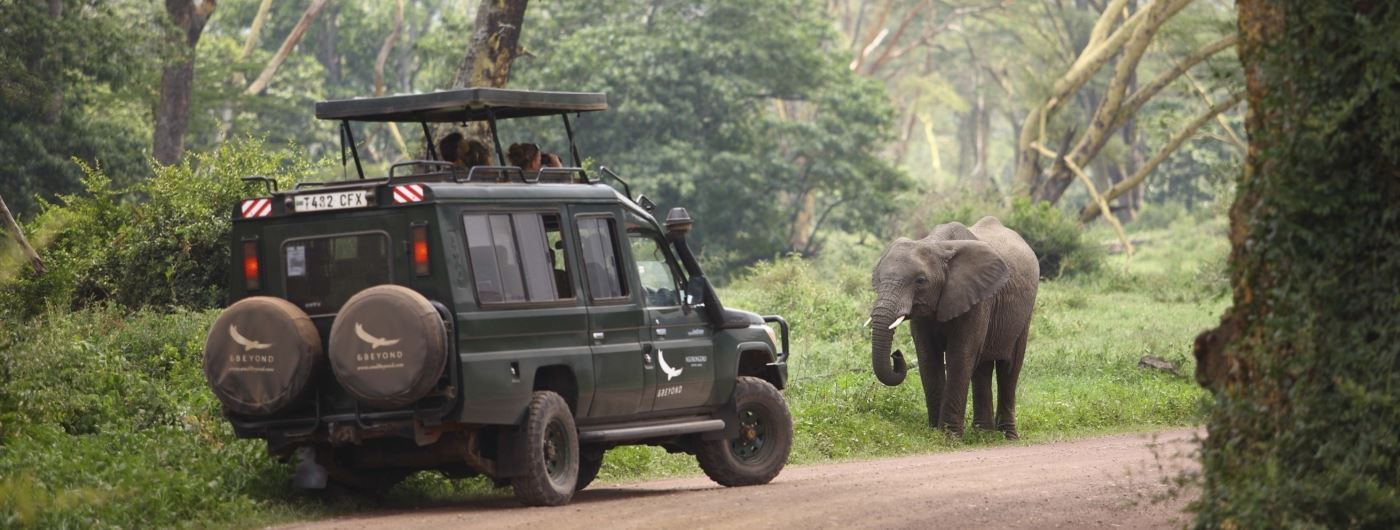
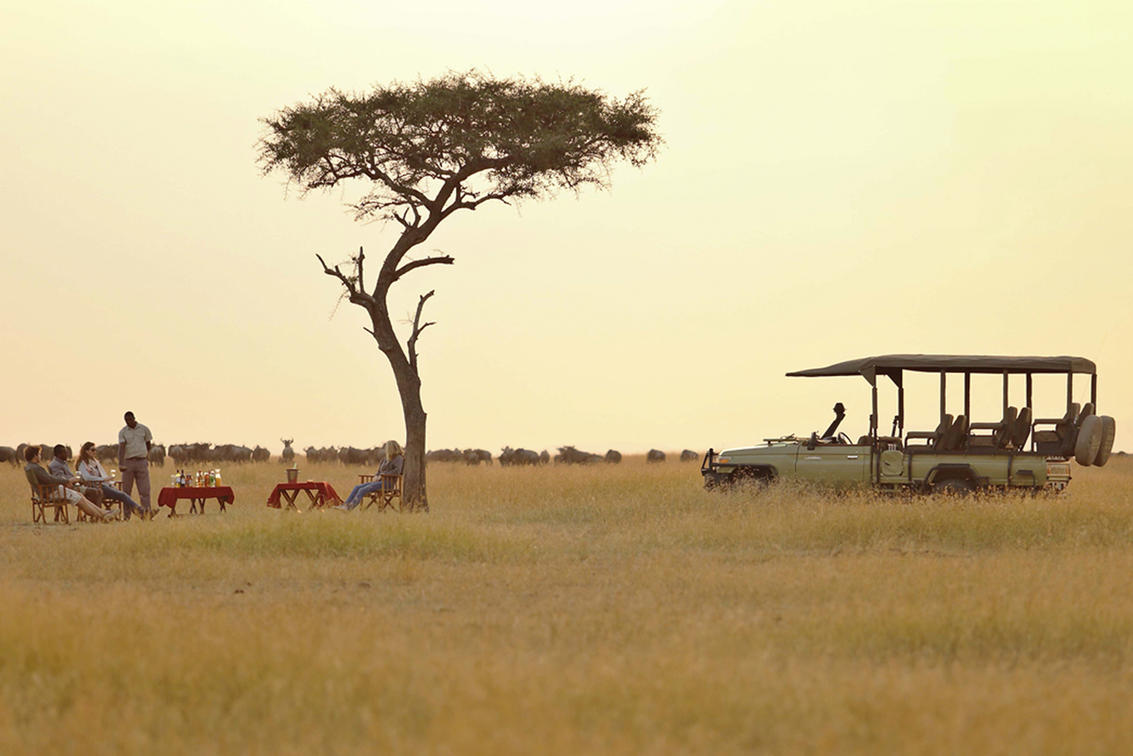
game drive
why book with us?
RESPONSIBLE TRAVEL
We have been making a difference for 30 years thanks to you, our guests!
FLEXIBILITY
We provide both flexibility and security with our flexible COVID-19 Terms & Conditions
IN OUR HANDS
You will have access to our unique Global Concierge service 24/7 while travelling
TRAVEL EXPERTS
Our Travel Specialists never send a guest anywhere they haven’t been themselves
FINEST GUIDES
Finest interpretive experience from our incredible private and specialist guides